
Home Loan Finance Online :: News
SHARE

Share this news item!

Electric Trailers Turn Fuel Savings Into a Capital Planning Question

New freight technology may interest agriculture, but upfront cost, range and infrastructure still matter

Electric Trailers Turn Fuel Savings Into a Capital Planning Question?w=400

The information on this website is general in nature and does not take into account your objectives, financial situation, or needs. Consider seeking personal advice from a licensed adviser before acting on any information.

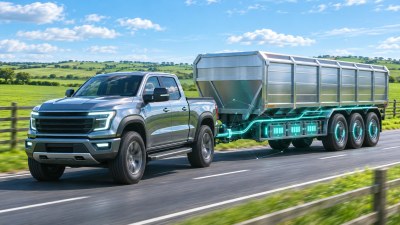
ABC Landline reporting on 14 November 2026 has highlighted a South Australian push to commercialise battery-powered trailers that could reduce diesel use in heavy transport without requiring operators to replace prime movers.
For Australian farm businesses, the development is worth watching because freight, haulage and on-farm logistics are increasingly part of the same machinery and cash-flow conversation as tractors, headers, loaders and irrigation assets.

The technology profiled by ABC centres on electric trailers being developed by VE Motion at Murray Bridge, with agriculture among the early sources of interest. The company’s founders are targeting a large diesel reduction, although one early customer, a Goulburn livestock farmer and civil construction operator, indicated a more conservative saving would still be useful. That distinction matters: for finance planning, projected fuel savings need to be treated as assumptions to be tested, not guaranteed offsets against repayments.

The appeal is easy to understand. Diesel prices have been a major pressure point for broadacre growers, livestock producers, contractors and regional freight operators. A trailer that contributes power to the haulage task could, in theory, reduce running costs on repeat routes such as milk collection, grain movements, livestock transport, bulk wine, mushroom production or forestry haulage. However, ABC’s reporting also underlined the practical constraints: road approvals, battery weight, charging access, network charges, payload considerations and a reported price range of about $200,000 to $400,000.

That makes the issue less about novelty and more about disciplined capital allocation. Farm businesses considering emerging transport equipment may want to compare several scenarios, including keeping diesel equipment longer, buying conventional replacement gear, trialling electric support equipment, or waiting until infrastructure and resale evidence become clearer. Educational tools for modelling farm equipment finance scenarios can help illustrate how deposit size, trade-in value, term length and balloon assumptions may affect estimated cash flow, although calculator outputs remain general estimates rather than quotes or approvals.

Seasonality also matters. A fuel-saving asset may look attractive on paper, but the repayment pattern has to be considered alongside harvest receipts, livestock sale timing, contract income and quieter months. General information on seasonal repayments may help frame the trade-offs, particularly where income is uneven and where an asset is used intensively for only part of the year.

The broader message for farm machinery finance is that energy transition decisions are no longer confined to paddock equipment. As electric trailers, converted trucks and alternative fuels move from trials into commercial discussion, farmers may need to assess machinery, freight and energy infrastructure together. The opportunity may be real, but so are the uncertainties, and early adoption will suit some operations better than others.

Published:Thursday, 26th Nov 2026
Author: Paige Estritori

Please Note: We do not endorse any specific products or companies. Some content is sourced from third parties, including press releases, and may not be independently verified for accuracy or completeness.

Share this news item:

Rate this article

0 Comments

No comments yet. Be the first to share your thoughts.

Finance News

Cattle Levy Rise Gives Producers a New Cost to Plan For
26 Nov 2026: Paige Estritori
Grass-fed cattle producers have narrowly backed an increase in the national cattle transaction levy, turning an industry governance debate into a practical budgeting issue for livestock businesses. The vote, reported after Meat & Livestock Australia’s annual meeting in Townsville, approved lifting the levy from $5 to $6 per grass-fed animal sold, with the higher rate expected to begin from 1 July 2028 if linked transparency and reporting reforms are in place. - read more
Autonomous machinery survey puts cost hurdles back in view
26 Nov 2026: Paige Estritori
A fresh national survey of Australian grain growers is putting autonomous machinery back on the finance agenda, not because every farm is ready to buy driverless equipment, but because the gap between interest and affordable adoption is becoming harder to ignore. - read more
Electric Trailers Turn Fuel Savings Into a Capital Planning Question
26 Nov 2026: Paige Estritori
ABC Landline reporting on 14 November 2026 has highlighted a South Australian push to commercialise battery-powered trailers that could reduce diesel use in heavy transport without requiring operators to replace prime movers. For Australian farm businesses, the development is worth watching because freight, haulage and on-farm logistics are increasingly part of the same machinery and cash-flow conversation as tractors, headers, loaders and irrigation assets. - read more
Mortgage hardship help can change the refinance picture
26 Nov 2026: Paige Estritori
Fresh reporting on mortgage stress has put a practical but often misunderstood issue back in front of Australian homeowners: asking a lender for hardship assistance can be the right step when repayments become unmanageable, but it may also change the way a future refinance is viewed. With higher variable rates flowing through household budgets after the Reserve Bank’s November move, the distinction between short-term repayment relief and longer-term borrowing flexibility is becoming more important. - read more


Home Loans Articles

How investment property loans work in Australia
Investment property loans can look similar to owner-occupier home loans, but lenders often assess them differently. Learn how rental income, loan purpose, repayment structure, interest-only options and investor risks may affect your borrowing decisions. - read more
How to Compare Home Loans: Tips for Finding the Best Deal
When you're in the market for a new home, finding the right loan can save you thousands of dollars over the life of the mortgage. Comparing home loans is crucial for Australian buyers looking to secure the best possible deal. With various options available, understanding the finer details can make a significant difference in your financial journey. - read more
Refinancing Your Home Loan: When and Why to Consider It
Refinancing a home loan is a process many Australian homeowners consider at some point. But what exactly does it mean? In simple terms, refinancing involves replacing your existing mortgage with a new one—usually with different terms. Homeowners often look into refinancing for several reasons, whether it’s to secure a lower interest rate, consolidate debts, or switch from a fixed to a variable rate (or vice versa). - read more
Low deposit home loans and lenders mortgage insurance in Australia
Low deposit home loans can help eligible Australian borrowers buy with less than a 20% deposit, but lenders mortgage insurance may apply and can add to the cost of borrowing. - read more


Personal Loan Repayment Calculator

Personal Loan Repayment Calculator

The Great Australian Side-Hustle

The Great Australian Side-Hustle

Stay informed with MoneyTips

Get practical financial information, news, guides and resources.


Knowledgebase
Debt Consolidation:
The process of combining multiple debts into a single loan with a lower interest rate or more favorable terms.