

Home Loan Finance Online :: News
SHARE

Share this news item!

Why EV Charging Costs Now Belong in Your Loan Budget

Running costs are becoming just as important as the sticker price

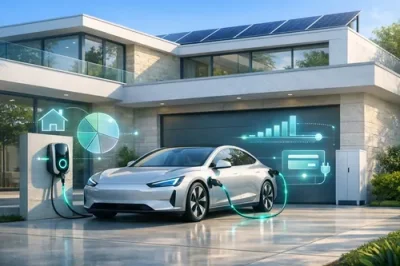
Why EV Charging Costs Now Belong in Your Loan Budget?w=400

The information on this website is general in nature and does not take into account your objectives, financial situation, or needs. Consider seeking personal advice from a licensed adviser before acting on any information.

Australia’s electric vehicle conversation is moving beyond the showroom.
Recent energy and motoring coverage has put renewed attention on charging access, electricity tariffs and the real cost of keeping an EV on the road.
For buyers planning an ev loan, that shift matters because affordability is no longer just about the purchase price, deposit and interest rate.

The appeal of an EV has often rested on lower running costs, particularly for drivers who can charge at home using off-peak electricity or rooftop solar. That advantage still exists for many households, but it is not automatic. Apartment residents, renters, regional drivers and people who rely heavily on public fast charging may face a different cost picture from someone with a garage, a smart charger and flexible energy pricing.

This is where the finance decision becomes more practical. A cheaper EV with slower charging, limited range or a reliance on public infrastructure may not always deliver the lowest monthly ownership cost. Equally, a more expensive model with better efficiency, longer range or easier home charging compatibility could make sense if it reduces charging stress and day-to-day costs. The right comparison is not simply vehicle versus vehicle; it is total monthly cost versus budget comfort.

Buyers should also think carefully about the home set-up. Charger installation, electrical upgrades and body corporate approvals can add to the upfront bill. Some borrowers may want to pay those costs separately, while others may consider including eligible set-up costs in their finance. Before doing that, it is worth using an EV Loan Calculator to test how a higher loan amount affects repayments and total interest over the full term.

The latest charging discussion also extends our previous reporting on shifting EV sales. As more models enter the market, buyers are becoming more selective, and charging convenience is one of the factors that can influence both demand and resale confidence. Lenders may not assess every charging detail, but borrowers should, because these costs sit alongside registration, insurance, servicing and tyres.

The practical takeaway is simple: do not treat fuel savings as a guaranteed offset until you have modelled your own driving pattern. Estimate kilometres, home and public charging split, likely electricity plan, installation costs and any balloon payment. A sharp advertised rate can help, but the strongest EV finance decision is one that reflects how the car will actually be used.

Published:Wednesday, 16th Sep 2026
Author: Paige Estritori

Please Note: We do not endorse any specific products or companies. Some content is sourced from third parties, including press releases, and may not be independently verified for accuracy or completeness.

Share this news item:

Rate this article

0 Comments

No comments yet. Be the first to share your thoughts.

Finance News

What a Steady Rate Setting Means for Boat Buyers
17 Sep 2026: Paige Estritori
The Reserve Bank’s latest decision to keep the cash rate steady gives Australian boat buyers a useful moment to pause, but it should not be mistaken for a guarantee that borrowing costs will stay simple or uniform. For households looking at a first trailer boat, a fishing upgrade, a personal watercraft or a larger family cruiser, the lending market remains highly dependent on borrower profile, boat type, deposit size, loan structure and lender appetite. - read more
Why hardship support is now a bigger loan issue
17 Sep 2026: Paige Estritori
Financial hardship support is back in the spotlight across Australia’s lending market, with regulators and consumer advocates paying closer attention to how banks and non-bank lenders respond when borrowers ask for help. For households and small business owners already dealing with higher living costs, tax obligations, insurance premiums and uneven cash flow, this is more than a compliance story. It is a practical reminder that loan stress should be addressed before it becomes a missed-payment pattern. - read more
Card Spending Trends Keep Personal Loan Planning in Focus
17 Sep 2026: Paige Estritori
The Reserve Bank of Australia’s latest retail payments update offers another useful snapshot of how households are managing everyday spending, card use and short-term credit. While payment data is not the same as loan approval data, it can still tell borrowers something important: the way money moves through a household each month can affect how comfortable a lender feels about future repayments. - read more
Why Online Caravan Listings Need More Care Before You Pay
17 Sep 2026: Paige Estritori
Fresh consumer warnings about online vehicle scams are a timely reminder for caravan buyers to slow down before transferring deposits, sharing identity documents or arranging settlement. Caravans, camper trailers and motorhomes are high-value assets, and that makes them attractive targets for fake listings, cloned advertisements and sellers who pressure buyers to act quickly. - read more


Home Loans Articles

What does a mortgage broker do in Australia?
A mortgage broker can help Australian borrowers compare home loan options, prepare an application and deal with lenders. This guide explains the broker process, how brokers may be paid, what to prepare and the questions to ask before you proceed. - read more
Refinancing Your Home Loan: When and Why to Consider It
Refinancing a home loan is a process many Australian homeowners consider at some point. But what exactly does it mean? In simple terms, refinancing involves replacing your existing mortgage with a new one—usually with different terms. Homeowners often look into refinancing for several reasons, whether it’s to secure a lower interest rate, consolidate debts, or switch from a fixed to a variable rate (or vice versa). - read more
Low deposit home loans and lenders mortgage insurance in Australia
Low deposit home loans can help eligible Australian borrowers buy with less than a 20% deposit, but lenders mortgage insurance may apply and can add to the cost of borrowing. - read more
How to Compare Home Loans: Tips for Finding the Best Deal
When you're in the market for a new home, finding the right loan can save you thousands of dollars over the life of the mortgage. Comparing home loans is crucial for Australian buyers looking to secure the best possible deal. With various options available, understanding the finer details can make a significant difference in your financial journey. - read more


Free Assessment

Loan Amount:
Postcode:

All quotes are provided obligation-free by a participating broker from our national referral partner network. We respect your Privacy.


Knowledgebase
Balloon Payment.:
A large loan repayment made in order to clear a debt. Usually applied to a short-term fixed-rate loan, which involves small payments for a certain period of time with one large payment for the remaining amount of the principal at a time specified in the future.